
"The blues ain't nothin'
but a botheration on your mind."
- Memphis Slim


Blues
The heart of jazz,
the blues is the oldest american musician form sung by the
slaves. The blacks didn't only used it for describing their suffer, they
also used
it as a codified language to communicate with each other in a way that
the white
didn't understand. In vocals blues the lyrics are also earthy and direct
and are mostly concerned
with basic human problems-love and sex, poverty, and death. The tempo
may vary, and the mood ranges from total despair to cynicism and satire.
Basing his songs on traditional blues, W. C. Handy greatly increased the popularity of the idiom. Important vocal blues stylists include Blind Lemon Jefferson, Huddie Ledbetter (Leadbelly), Lightnin' Sam Hopkins, Robert Johnson, Gertrude (Ma) Rainey, Bertha (Chippie) Hill, Bessie Smith, Billie Holiday, Dinah Washington, and Muddy Waters.
The Themes of Jazz:
Poverty and hard times: Perhaps like no other music in
history, the blues speaks directly about poverty and the difficulties
of making ends meet. Brother, Can You Spare A Dime and Nobody Knows You
When You're Down And Out speak as eloquently today as they did 50 years
ago.
Sexuality: One of the major themes of the blues is sexuality. Lyrics often convey veiled sexual messages through words and phrases with double meanings. The auto mechanic in Body And Fender Man has more on his mind than "body work" on the car of his female customer. Some blues lyrics are downright raunchy. The blues even addresses the touchy subject of the allure of youth in such blues classics as Messing With The Kid and Good Morning Little School Girl.
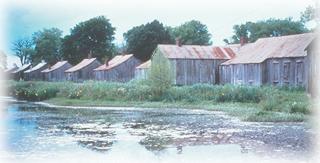
Oppression: The blues were born during the era of slavery and tenant farming in the American south. Field laborers sought solace through field hollers and work songs that often relieved the stress of labor and conveyed conspiratoral messages about eventual freedom.
Street children: Blues history in the U.S. abounds with tales of runaway black kids earning a living on the streets through music. James Cotton, for example, a blues harmonica player still active today, left his home at age 9 with the consent of his parents, who realized he would do better in the big-city streets playing his harmonica than he ever would harvesting cotton in his rural hometown. Sound familiar?